If You Own a Space, You're Leaving Money on the Table
Your studio, showroom, or loft sits empty for hours every day. Here's the business case for listing it as an hourly rental, and how to set it up right.
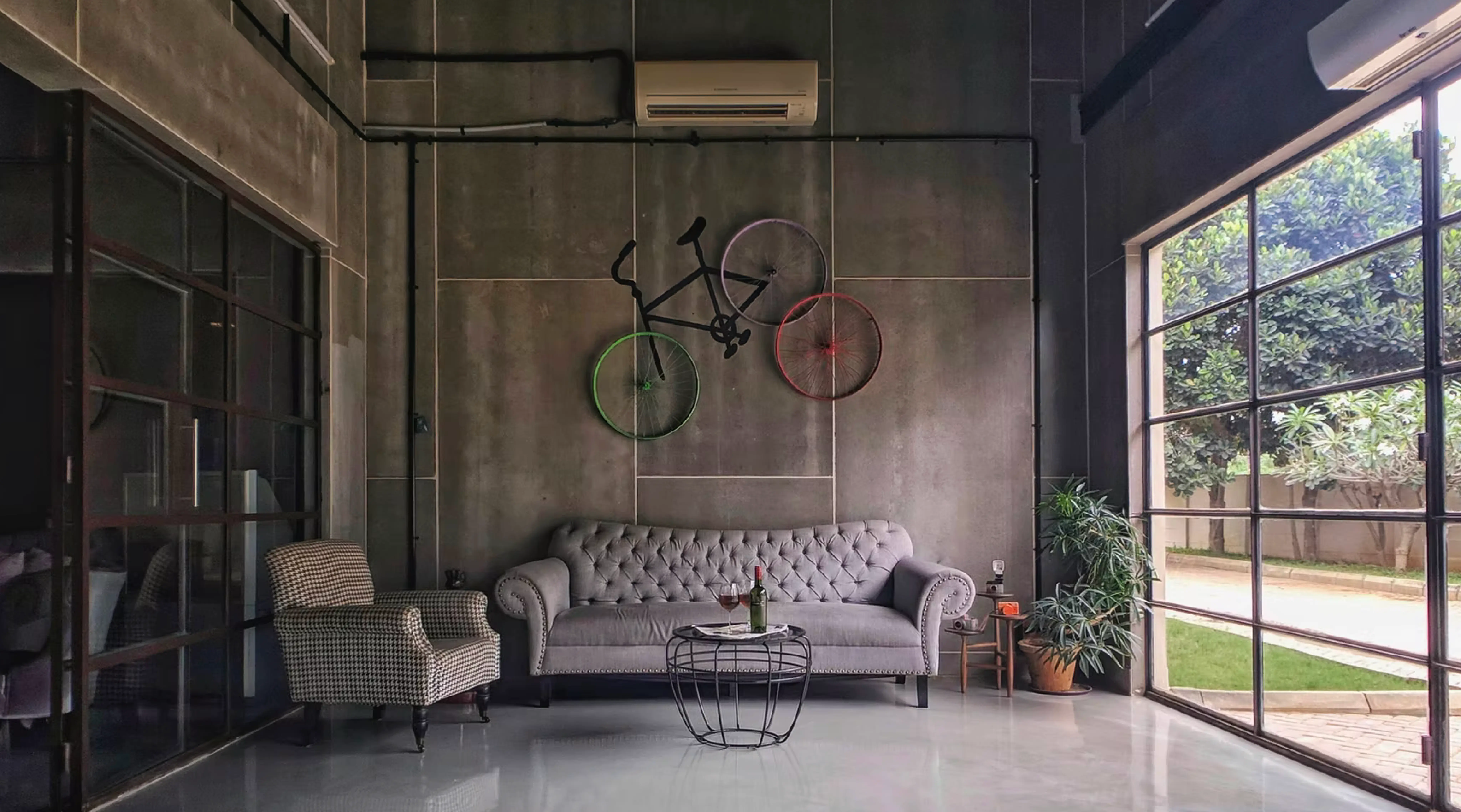
You have a space. Maybe it’s a studio you use three days a week. A showroom that sits empty after business hours. A restaurant that doesn’t open until 5pm. An art gallery that’s dark between shows. A loft you’ve been meaning to do something with.
And right now, while you’re reading this, a photographer is trying to find somewhere to shoot for three hours on a Tuesday morning. An event host is searching for somewhere to hold a dinner for 12. A content creator is booking the fourth generic white-wall studio this month because they can’t find anything better.
Your space is the answer to someone’s very specific problem. And you’re not in the room.
The math that changes your mind
Let’s be direct about the numbers, because the abstraction of “passive income” hides what this actually looks like.
The average hourly rental on platforms built for creative spaces runs between Rs. 500 and Rs. 2,500 per hour, depending on location, space type, and amenities. Niche, distinctive spaces, raw industrials, botanical-forward studios, architecturally interesting interiors, regularly command Rs. 1,500 to Rs. 4,000 per hour because supply is genuinely limited.
Apply that to dead time in your space: a restaurant with 4 hours of pre-service availability Monday through Friday is 20 hours a week. A showroom or retail space closed on weekends is 16 hours a week. A studio you use three days a week has up to 30 available hours.
At a conservative Rs. 1,000 per hour, 10 bookings a month is Rs. 10,000. Twenty bookings is Rs. 20,000. For many space owners, that’s a utility bill, a staff member’s hours, a material difference in how the business breathes.
The money is already in the room. You’re just not charging for it.
Why most space owners don’t do this (and what’s worth reconsidering)
“I don’t want strangers in my space.”
This is the most common objection, and it’s the one with the most infrastructure already built to address it. Platforms built for hourly rentals handle identity verification, damage deposits, and booking agreements. The people booking your space are working professionals, photographers on a client shoot, event hosts who’ve done this a hundred times, creators who need the space to look perfect because their work depends on it. They are incentivised to leave your space exactly as they found it.
“It’s too much work to manage.”
Setting up a listing takes a few good photos, a short description, and about five minutes. That’s genuinely it. After that, most hosts spend less than 20 minutes per booking on logistics, confirming details, sharing access instructions, following up afterward.
“My space isn’t photogenic enough.”
This one is almost always wrong, and it reveals a misunderstanding of what the market actually wants. The most overbooked spaces are not the most polished ones, they’re the most specific ones. Raw concrete walls. An unusual tile pattern. A room with too many plants. Exposed pipes. A view that’s strange rather than pretty. Creators have too many generic white studios available to them. They are actively searching for something with texture, history, or an edge. Your space’s quirks are its listing.
“I don’t know how to price it.”
The team at Schpot can help with this. They know what comparable spaces in your neighbourhood are charging and at what occupancy. A quick message is all it takes. Price to test, then adjust from there.
What creators actually need from your space
Understanding the demand side makes you a better host and a smarter lister.
Photographers and videographers need reliable natural or controllable artificial light, enough clearance for equipment (a second room or hallway for gear staging is a genuine differentiator), fast WiFi for tethered shooting, and a space that doesn’t look like every other space. A steamer, a garment rack, and a makeup mirror are Rs. 3,000 in additions that justify an extra Rs. 300 per hour.
Content creators need power outlets accessible from multiple positions in the room. This is non-negotiable and criminally overlooked, a neutral or textured backdrop, decent acoustics if they’re also recording audio, and natural light that doesn’t blow out between 10am and 2pm. They’re often booking for 2 to 4 hours and doing an enormous amount of work in that window.
Event hosts need a headcount that actually fits comfortably (not the fire code maximum: the comfortable maximum), access to catering or a kitchen for setup, somewhere for guests to arrive without a chaotic entrance, and a space that photographs well because every guest is also a content creator. The event is the content.
How to list a space that actually gets booked
The listings that consistently get booked aren’t the ones with the most amenities. They’re the most specific ones.
Lead with your weirdest feature. Not your square footage. Not your location. The thing that makes someone stop scrolling: the 14-foot ceilings, the curved walls, the original terrazzo floor, the garden nobody expects to find behind the steel door. That’s your headline.
Shoot it like a creative would use it. Most listing photos are taken by the space owner with their phone at noon on a Saturday. They show what the space is. The listings that convert show what the space does. Sometimes that means nothing more than letting the afternoon light fall through the big window, or letting the raw concrete wall fill the frame without apologising for it. The space will talk if you let it.
Write your listing for a specific person. “Perfect for photographers, brands, and content creators looking for a space with character” is more compelling than “available for all types of events.” Specificity signals that you understand who’s coming. It also filters out bookings that aren’t a fit, which saves everyone time.
Be honest about constraints. No street parking within a block? Say so. Noise ordinance after 9pm? Say so. A pillar that interrupts sightlines in one corner? Show it in the photos. Hosts who hide limitations get bad reviews. Hosts who name them upfront get trust, and repeat bookings.
The compounding value you’re not thinking about
The first-order benefit is obvious: revenue from unused hours. But there are second and third-order effects most space owners don’t notice until they’ve been doing this for a few months.
Your space gets photographed professionally, repeatedly, for free. Every creator who books your space produces content in it, and many of them will tag it, share it, or leave behind images you have permission to use. Your listing gets better over time without you lifting a finger.
You build a network of creative professionals who know your space. A photographer who books once and loves it becomes a reliable repeat booker. They also refer other photographers. The compounding effect of a good hosting experience is real.
Your space stays activated. There’s something that happens to spaces that sit empty. They start to feel like they’re waiting for permission. Regular bookings keep your space in use, which keeps it maintained, which makes it better for your own purposes too.
The opportunity is already here
You don’t need to build anything. You don’t need to renovate. You don’t need to become a hospitality business.
You need to list the space you already have, at the hours it’s already available, for the rate the market will already pay.
Someone is booking a space right now. They’re choosing between three or four options. Your space isn’t one of them, not because it isn’t good enough, but because it isn’t there.
That’s the only thing standing between you and the revenue.
Related: What Changes When You Can Book a Space by the Hour · Before You Host: Creative Questions for a Better Event
Topics

Written by
Field NotesSchpot Account
Field Notes is schpot's in-house account, sharing insights from the data and trends we see across our platform. We analyze how creators are using space, what they need, and how the market is evolving to meet those needs.
Related Articles
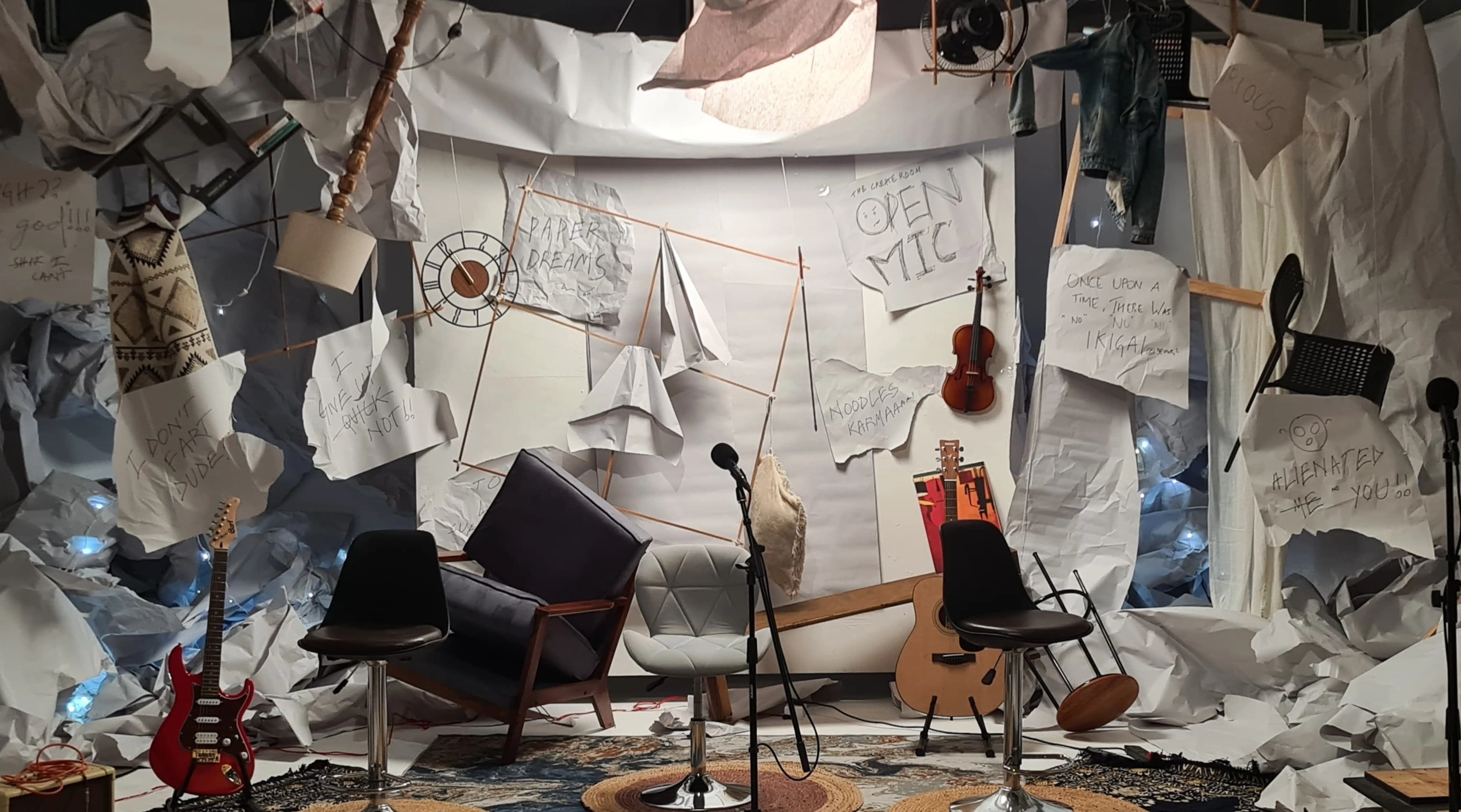
Last Minute or Locked In: Beautiful Spaces Work Either Way
Some creators plan a month of content in one session. Others book a studio the morning they need it. Neither is wrong, and the space should never limit you.
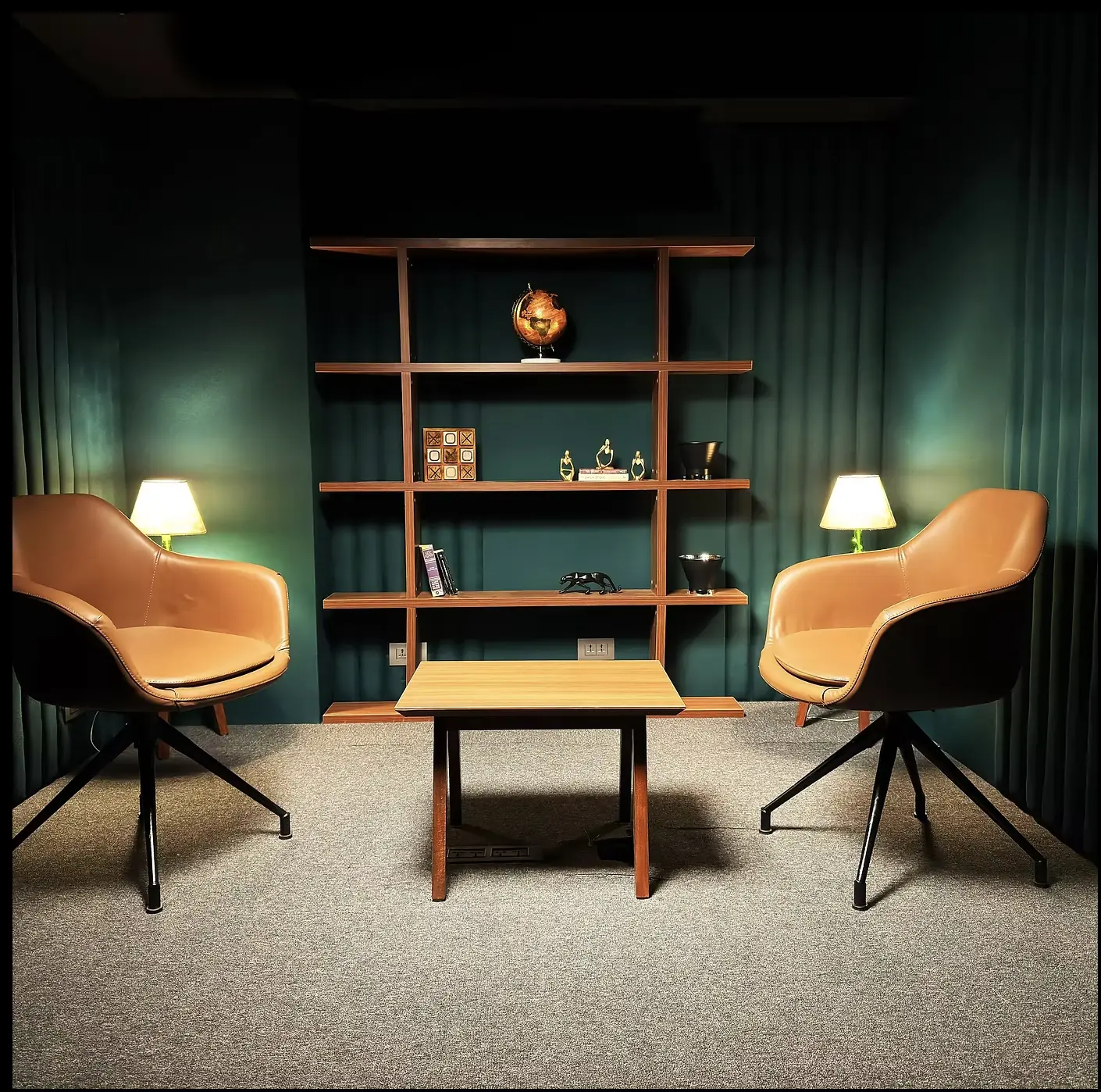
What Changes When You Can Book a Space by the Hour
Hourly space rental isn't just a cheaper way to book a venue. It changes what's possible: how you work, what you make, and how often you make it.