What Changes When You Can Book a Space by the Hour
Hourly space rental isn't just a cheaper way to book a venue. It changes what's possible: how you work, what you make, and how often you make it.
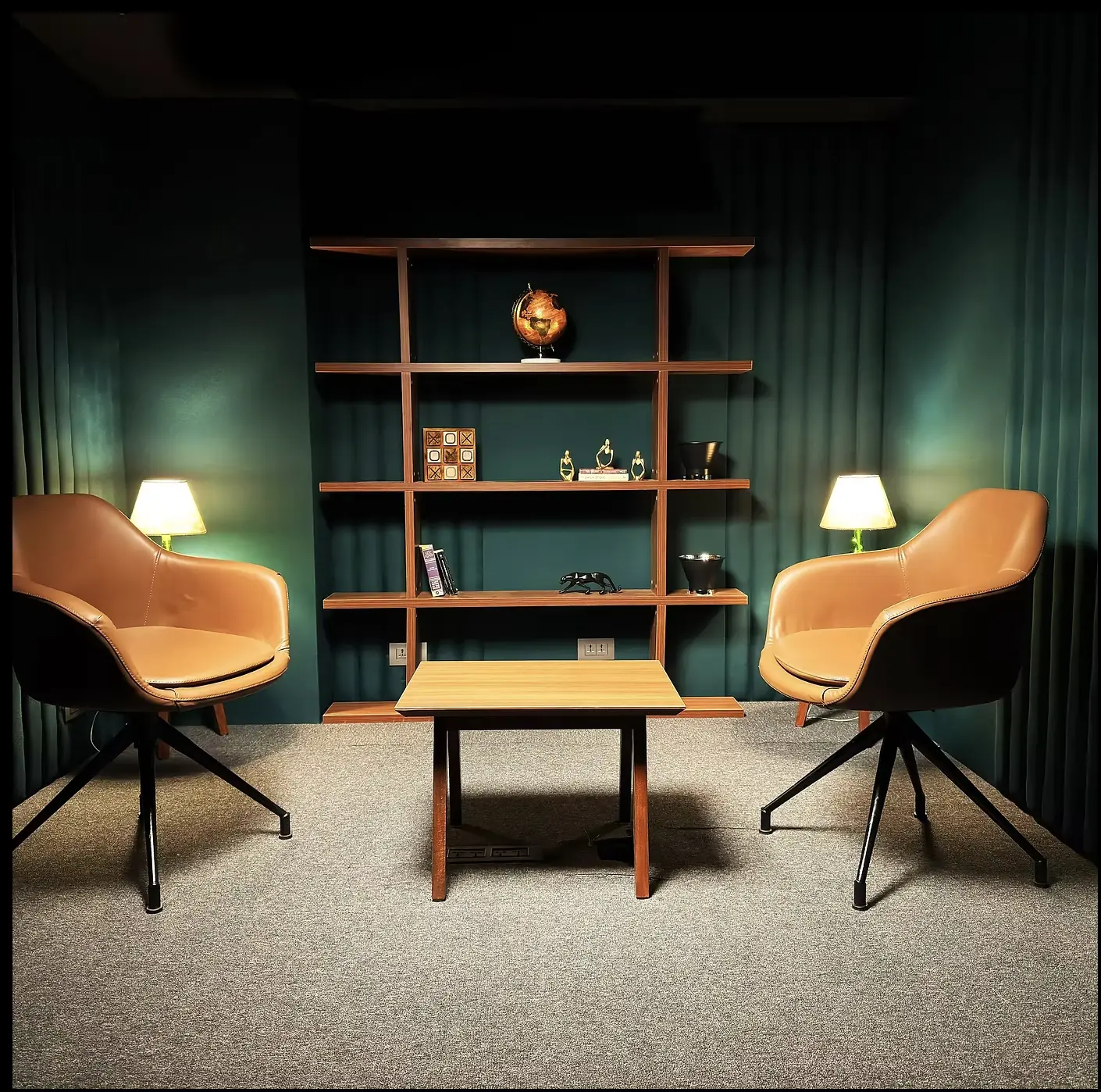
For a long time, access to a good space meant either owning one, knowing someone who did, or committing to a half-day minimum and hoping it was worth it.
Hourly booking changed the equation. Not incrementally. It changed what’s actually possible for creators who don’t have a studio of their own and never wanted one.
The work gets made when the idea is ready
The gap between having an idea and being able to execute it used to be measured in days. You needed to find a space, check availability, negotiate a minimum booking, figure out whether the budget justified the idea, and by the time all that was sorted, the energy that made the idea good in the first place had often dissipated.
Hourly access collapses that gap. An idea that exists on Monday can be in a studio on Tuesday. That’s not just convenient. It changes the kind of work you make. Responsive, timely, alive to what’s happening rather than planned three weeks out and executed on schedule.
For creators whose work depends on staying current, trend-responsive content, timely brand campaigns, anything that needs to exist in a specific moment. This is a meaningful shift.
Quality becomes a decision, not a budget category
Before hourly rental, the question wasn’t really “what kind of space do I want?” It was “can I justify the cost of a space at all?”
When the unit of commitment is two or three hours rather than a full day or a minimum spend, the calculus changes. A distinctive space with good bones stops being a luxury and starts being a regular working decision. The question shifts from “can I afford this” to “does this space serve what I’m making?”
That’s the question creators should be asking. What does this space communicate? What does it do for the work? Whether it does that for Rs. 2,000 or Rs. 5,000 over three hours is a real consideration, but it’s a secondary one. The primary question is whether the space is right.
You stop settling for what’s available
Generic white-wall studios exist because they work for the widest possible range of use cases. They’re not wrong. They’re just not specific.
The shift that happens when creators start booking hourly is that they start making decisions about specificity. Not just “I need a studio” but “I need a space with a certain quality of light, a certain texture, a certain energy.” They start treating the space as part of the creative brief rather than a neutral container for the work.
A brewpub with exposed brick and warm light is a different creative decision than a bungalow with an orchard. Atlantis in HSR and Villa Kasu out in Yemlur say completely different things. The Shire Studio’s outdoor setup reads differently again. Once you’ve shot in a space that actually had a point of view, going back to a plain white room feels like settling.
This is the part that compounds. Every shoot in a space that actually suits the work produces better output, which raises the standard for the next booking, which sharpens the brief, which produces better output again. Creators who’ve been booking hourly for a year think about space differently than they did at the start.
The creative decisions move earlier
When you own a studio or have access to one indefinitely, you can make creative decisions on the day. The space is there, the time is yours, you figure it out as you go.
Hourly booking asks for more intention upfront, not as a constraint but as a discipline. What are you making? What does it need? How much time does it actually require? These are better questions to answer before you’re standing in a room watching the clock.
The creators who use hourly spaces most effectively are the ones who arrive having already made the creative decisions. The space is the tool; the thinking is done before you get there. That combination, intentional preparation plus a space that’s genuinely good, is what produces work that looks like it was made by someone who cared about the result.
Browse Ungatekept Backdrops on Schpot
Related: Last Minute or Locked In: Beautiful Spaces Work Either Way · Before You Host: Creative Questions for a Better Event
Topics

Written by
Field NotesSchpot Account
Field Notes is schpot's in-house account, sharing insights from the data and trends we see across our platform. We analyze how creators are using space, what they need, and how the market is evolving to meet those needs.
Related Articles
Last Minute or Locked In: Beautiful Spaces Work Either Way
Some creators plan a month of content in one session. Others book a studio the morning they need it. Neither is wrong, and the space should never limit you.
If You Own a Space, You're Leaving Money on the Table
Your studio, showroom, or loft sits empty for hours every day. Here's the business case for listing it as an hourly rental, and how to set it up right.