Last Minute or Locked In: Beautiful Spaces Work Either Way
Some creators plan a month of content in one session. Others book a studio the morning they need it. Neither is wrong, and the space should never limit you.
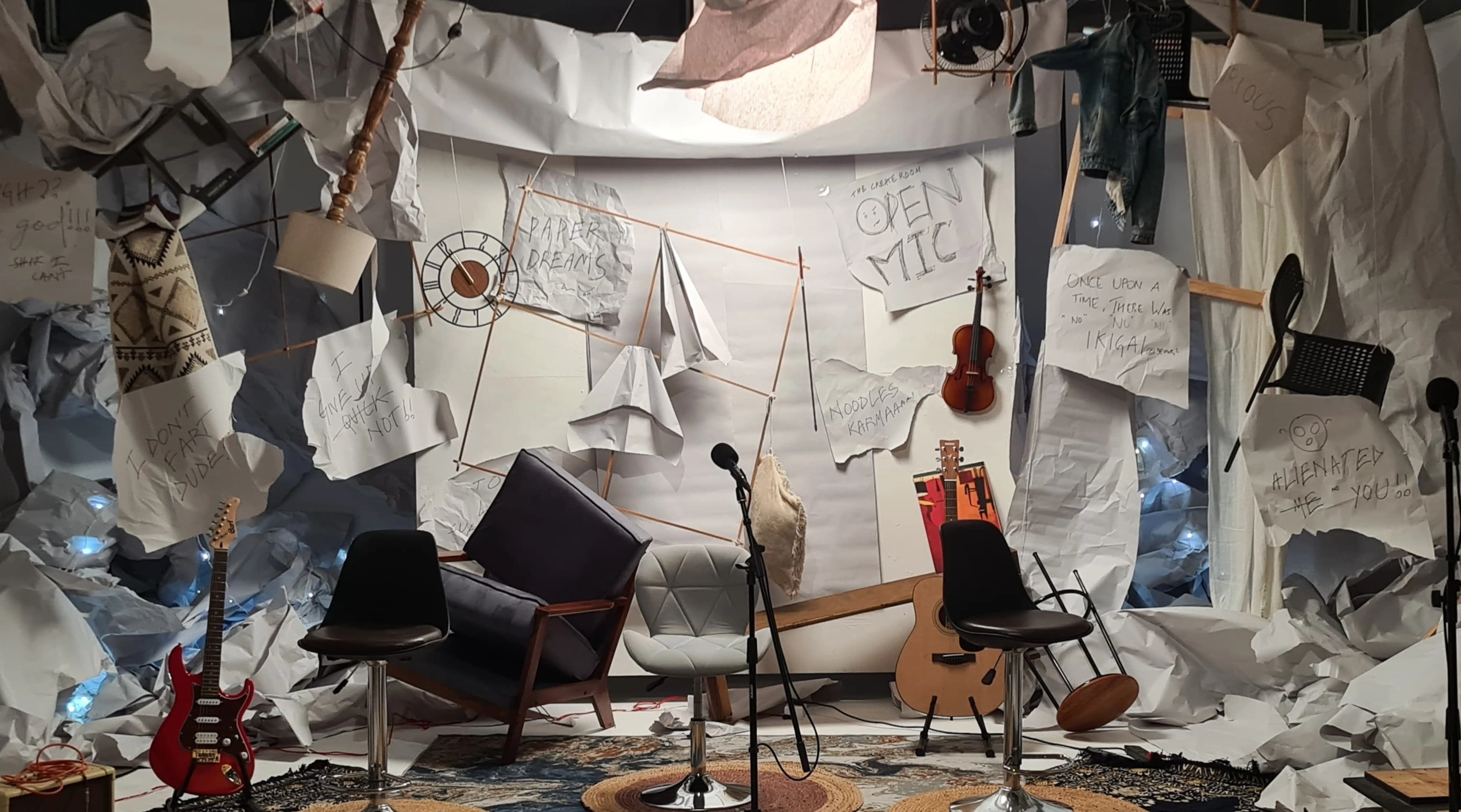
There are two types of creators, and they’ve been arguing on the internet for years.
One books a studio three weeks out, shows up with a shot list, shoots 30 pieces of content in two hours, and schedules everything to run for the next month. The other gets an idea at 10am, books a space for noon, shoots on instinct, and posts before lunch. Both are making great work. Both are completely convinced the other is doing it wrong.
They’re not. They just have different relationships with time, and with creative energy.
The planner
Type A creators don’t love planning for its own sake. They love what planning buys them: creative headspace that isn’t eaten up by logistics on the day.
When everything is decided in advance: the space, the outfits, the shot list, the vibe: the session itself becomes execution rather than ideation. You walk in knowing what you’re making. That clarity shows in the work. It’s considered, consistent, intentional. The kind of content that builds a visual identity over months rather than lurching between aesthetics based on whatever mood you were in.
The spaces these creators choose tend to be specific. They’ve thought about what they need, a particular quality of light, a backdrop that works for the brand, enough flexibility to cover multiple looks in one booking. They book it, they use it, they leave with exactly what they came for.
The spontaneous one
Iterative creators work differently, not worse.
The best content from this type of creator often exists because of the speed, not despite it. The observation was fresh. The idea hadn’t been workshopped into blandness yet. The execution captured something that would have been overproduced if it had waited three weeks on a calendar.
These are also the creators who get stuck when access gets slow. When the gap between idea and execution is measured in days of back-and-forth, the energy dissipates. The moment passes. They end up making something different, usually something safer, because the original spark had nowhere to go.
What they have in common
Here’s the thing neither type wants to hear: the workflow isn’t the problem.
What limits both of them, at some point, is the space. The planner who can’t find something distinctive enough to justify a booking. The spontaneous creator who can’t get into a good space fast enough to keep up with how they work.
Content shot in the wrong space: the generic, the beige, the flat, looks dry no matter how good the creative is. And no amount of post-production fully fixes a frame that needed a different room.
The spaces should never be the constraint. Not for the creator who books a month ahead, not for the one who books the morning of. Beautiful, specific spaces, bookable by the hour, available on short notice, built for the kind of work people actually make, shouldn’t be a luxury you plan around. They should just be available.
That’s the point of having Schpot in your toolkit regardless of which type of creator you are.
Book a space that matches how you work, on Schpot
Related: Three Studio Aesthetics Defining Creator Content in 2026 · What Changes When You Can Book a Space by the Hour
Topics

Written by
Field NotesSchpot Account
Field Notes is schpot's in-house account, sharing insights from the data and trends we see across our platform. We analyze how creators are using space, what they need, and how the market is evolving to meet those needs.
Related Articles
What Changes When You Can Book a Space by the Hour
Hourly space rental isn't just a cheaper way to book a venue. It changes what's possible: how you work, what you make, and how often you make it.
If You Own a Space, You're Leaving Money on the Table
Your studio, showroom, or loft sits empty for hours every day. Here's the business case for listing it as an hourly rental, and how to set it up right.