Three Studio Aesthetics Defining Creator Content in 2026
Neon, raw concrete, and diffused natural light dominate creator content in 2026. What each aesthetic communicates and where to find it in Bangalore.
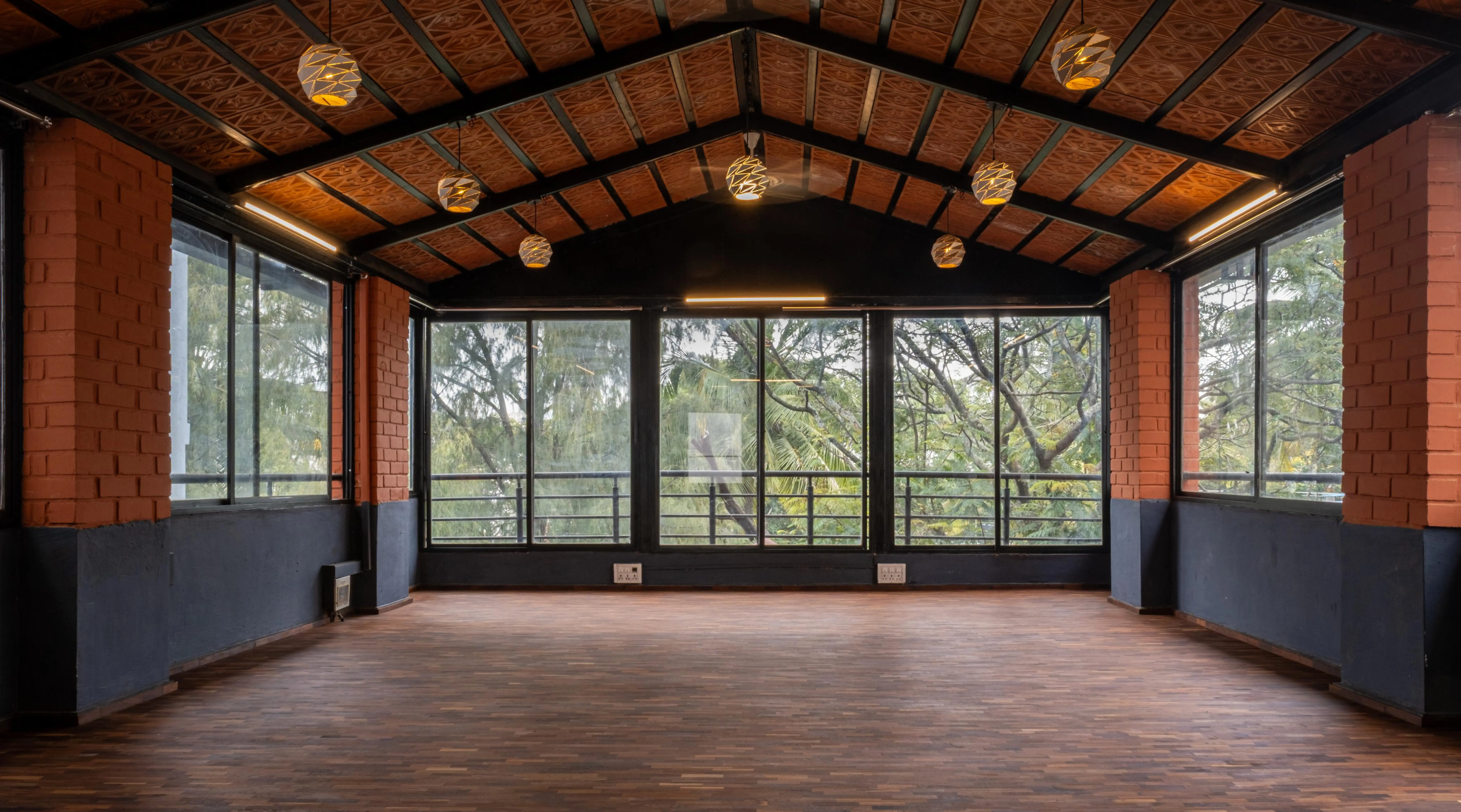
The space behind you is saying something. Most creators know this, even if they’ve never said it out loud.
Three visual languages now define the majority of creator content coming out of Indian cities. Neon. Raw concrete. Diffused natural light. Each one communicates something different about the work and the person making it, and the choice, when it’s made deliberately, is the difference between content that reads as intentional and content that reads as improvised.
Neon: the aesthetic of after-hours energy
Neon isn’t new. What’s changed is how creators are using it, not as a party prop but as primary light source.
The neon aesthetic works because it compresses. In a well-lit room, the eye has too much to process. Neon strips everything back to subject, light, and shadow. The result feels urban and specific, like a still from a film that takes place somewhere interesting.
This is the aesthetic that reads well on short-form video. It translates at thumbnail size. It makes a fitness brand look like a streetwear brand, which is increasingly what fitness brands want.
The combination that works particularly well right now: neon-lit studio content paired with behind-the-scenes material from the same session. The finished frame alongside the room that produced it is its own type of content. Spaces that offer both a controlled studio environment and a rawer warehouse floor in the same booking make this easy to execute.
What neon doesn’t do well: natural products, warm lifestyle content, anything that needs to feel like a Sunday afternoon. If your brand lives in warmth and ease, neon works against you. The light is too decisive.
Concrete: the blank canvas that isn’t actually blank
Raw concrete has become the default backdrop for a certain type of creator, photographers doing editorial work, brands that want to look expensive without looking corporate, fitness instructors who want the space to feel like somewhere you’d actually work hard.
Concrete works because it takes color. Put a red coat against a raw concrete wall and the coat owns the frame. Bring in a single tungsten lamp and the whole room shifts. Concrete is opinionated about texture and neutral about color, which makes it genuinely flexible in a way that painted white walls aren’t.
The spaces doing this best right now are the converted warehouse floors, high ceilings, exposed structure, nothing competing with whatever you bring into the frame. Some read pure industrial; others have been softened into something warmer while keeping the raw material quality. Both work, depending on what you need.
The limitation is weight. Concrete reads serious. If your content is supposed to feel playful, light, or domestic, you’ll spend the whole shoot fighting the space. A concrete floor makes everything look like a campaign, which is great if that’s what you want and exhausting if it isn’t.
Natural light: the hardest aesthetic to fake and the easiest to over-romanticize
Diffused natural light is everywhere in creator content right now because people are tired of looking like they’re trying.
The thing about natural light content is that it requires the right space at the right time, and then it requires you to get out of the way. You can approximate it with softboxes, but the eye knows the difference, especially on video, where artificial light flattens micro-texture in a way that window light doesn’t.
What the best natural light spaces have in common: indirect exposure rather than direct sun, some architectural framing to give the frame edges, and enough neutral background that the subject reads without competition. Rooftop terraces do this well when they’re designed for use rather than just access. So do spaces with large north-facing windows, or gardens shielded enough from direct sun that the light stays even across a two-hour window. The bungalow-and-garden version of this aesthetic is its own category, slower, more deliberate, better for food, interiors, anything that needs to breathe.
The trap with natural light is expecting consistency. You’re working with a light source that moves, clouds over, and changes color throughout the day. If you’re booking a terrace, understand the direction of light at your specific booking time before you show up. A west-facing terrace at 3pm is a different space than it is at 6pm.
Choosing isn’t about preference, it’s about what your content needs to say
Here’s the actual question: what do you need the space to communicate on behalf of your brand?
Neon says: current, urban, high-contrast. Good for fashion, fitness, music, tech, anything that benefits from an after-hours energy.
Concrete says: considered, editorial, serious craft. Good for product photography, fashion with structure, fitness with grit, brand content that needs to feel expensive.
Natural light says: real, warm, unhurried. Good for food, lifestyle, beauty, wellness, and any brand that needs to feel approachable rather than aspirational.
Most creators end up shooting across all three depending on the brief. A content batching day built around multiple aesthetics is standard now, one booking, three visual languages, a month of content that doesn’t all look like it came from the same room. Which is increasingly the point.
Browse studios across all three aesthetics on Schpot
Related: Last Minute or Locked In: Beautiful Spaces Work Either Way · What Changes When You Can Book a Space by the Hour
Topics

Written by
Field NotesSchpot Account
Field Notes is schpot's in-house account, sharing insights from the data and trends we see across our platform. We analyze how creators are using space, what they need, and how the market is evolving to meet those needs.
Related Articles
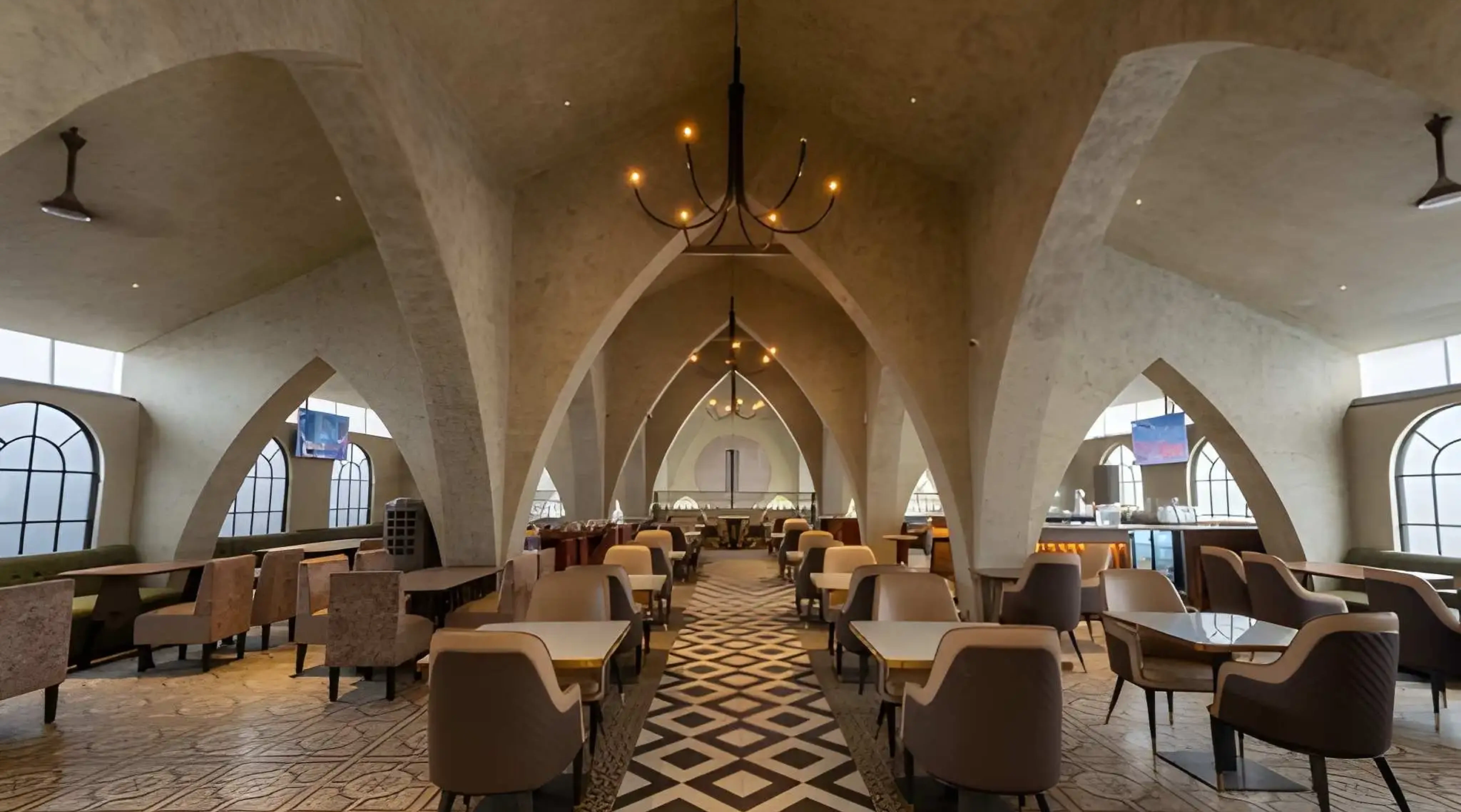
Psychology of Ceilings: How Studio Height Shapes a Shoot
High, low, or mid-height ceilings change how subjects move and how light behaves. A guide to choosing the right studio ceiling for your next shoot.