Before You Host: Creative Questions for a Better Event
The logistics are sorted when you book a quality space. The harder question is what kind of event you want to host, and how the space can help.
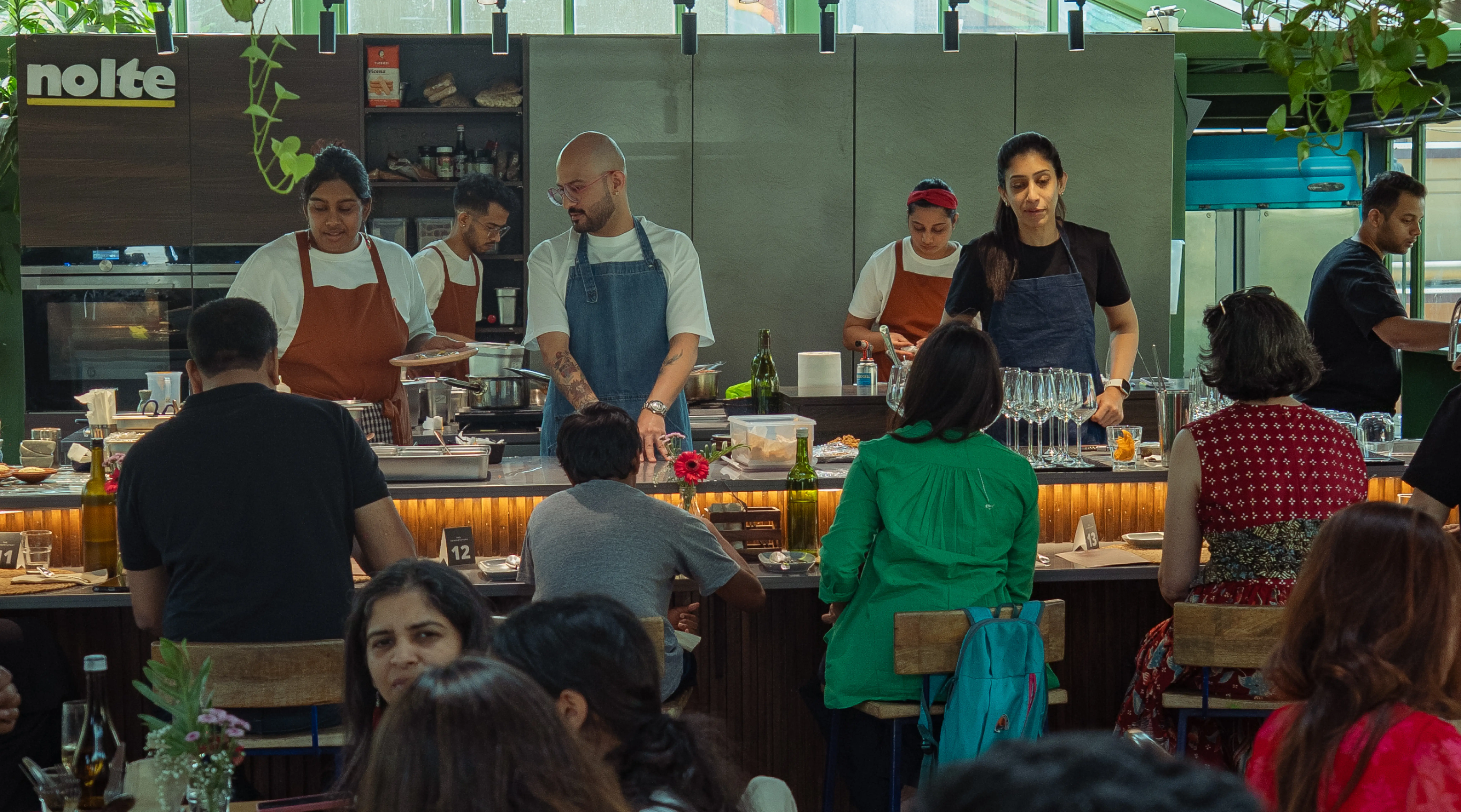
A good event doesn’t happen because nothing went wrong.
It happens because someone made a set of deliberate choices about how they wanted people to feel, and then found a space that made those choices possible. The logistics, once you’re booking through a platform that vets its spaces and hosts, mostly take care of themselves. What doesn’t take care of itself is the vision.
Here’s what’s worth thinking through before you book.
What do you want people to say about it the next day?
This is the question most event hosts skip, and it’s the one that shapes every decision that follows.
Not “what will happen at the event”, that’s a schedule. But what’s the one thing you want guests to take away? The feeling of a room where conversation flowed easily. A dinner where the food and the setting felt like they were made for each other. A work session where people actually got something done. A celebration that felt like the person being celebrated, not a generic occasion.
The answer to this question tells you what kind of space to look for. An event designed around deep conversation needs intimacy and acoustic warmth. A celebration that should feel free and generous needs room. A workshop that needs people to think clearly needs light and no visual clutter. Start here, before you start browsing.
What role do you want the space to play?
This is a design question, not a logistics question.
Some events work best when the space is a backdrop, neutral, well-proportioned, present but not competing. The people and the programme are the point. A great backdrop space gets out of the way and lets that happen.
Other events are better served by a space with strong character, something distinctive enough that it becomes part of the experience. A rooftop that changes the feeling of a dinner. A warehouse floor that gives a brand activation its entire aesthetic. A garden that turns a Saturday afternoon into something worth remembering.
Neither is better. The question is which one your event needs. When the space has too much personality for a programme that’s trying to be the star, the two fight each other. When the space is too neutral for an event that needs atmosphere, you’re the one who has to generate it from scratch.
How do you want people to move through it?
The difference between an event that flows and one that stalls is often spatial.
Think about arrival: where do people come in, and where do they naturally want to go first? A well-designed space has an answer to this built in. Think about congregation: where will people naturally cluster, and is that where you want them? Long narrow rooms funnel everyone to the same end. Rooms with a central feature, a table, a bar, an interesting corner, distribute people more evenly.
Think about transition: if the event has distinct moments, arrival drinks, a seated component, something afterwards, does the space support moving between them without breaking the mood? Some spaces have this built into their layout. Others require staging.
You don’t need to choreograph an event. But you do need to understand how the room will shape it without your input, so you can either lean into that or work around it.
What are you bringing into the space?
The space is the canvas. What you bring determines the painting.
Food and drink say something about how seriously you take the evening. Flowers or styling say something about attention to detail. Music, not just the playlist, but the volume, sets the pace of conversation. Photography, if you’re doing it, changes how people move and how self-conscious they are.
None of these need to be elaborate. A well-chosen space with simple food and a good playlist often outperforms a generic venue with a full catering setup, because the space itself is doing work that would otherwise require effort and budget to manufacture.
The most memorable events are usually the ones where someone thought clearly about a few things and let the rest go. The space was distinctive. The food was good. The people were the right mix. That’s the whole list.
Find the right space for your next event on Schpot
Related: What Changes When You Can Book a Space by the Hour · Psychology of Ceilings: How Studio Height Shapes a Shoot
Topics

Written by
Field NotesSchpot Account
Field Notes is schpot's in-house account, sharing insights from the data and trends we see across our platform. We analyze how creators are using space, what they need, and how the market is evolving to meet those needs.